Commercial & Industrial Construction & Civil Works in Saudi Arabia
What are the compliance standards for civil construction in Saudi Arabia? All commercial and industrial civil works in Saudi Arabia must strictly adhere to the Saudi Building Code (SBC) and the Ministry of Municipal and Rural Affairs (MOMRA) regulations. For the oil, gas, and petrochemical sectors, contractors must also comply with Saudi Aramco's engineering standards (SAES), which mandate rigorous soil testing, specific concrete compressive strengths (e.g., Type V sulfate-resistant cement for foundations), and strict QA/QC protocols to ensure structural integrity in extreme desert and coastal environments.

ARMS Arabia is a trusted partner for comprehensive construction and civil engineering services across Riyadh, Jeddah, Dammam, and the Kingdom's expanding industrial cities. Our civil division brings decades of localized expertise to every project, managing everything from initial site grading and deep excavations to complex reinforced concrete structures and full-scale commercial building construction. We deliver on time, within budget, and to the highest safety standards.
Comprehensive Civil Engineering & Construction Services
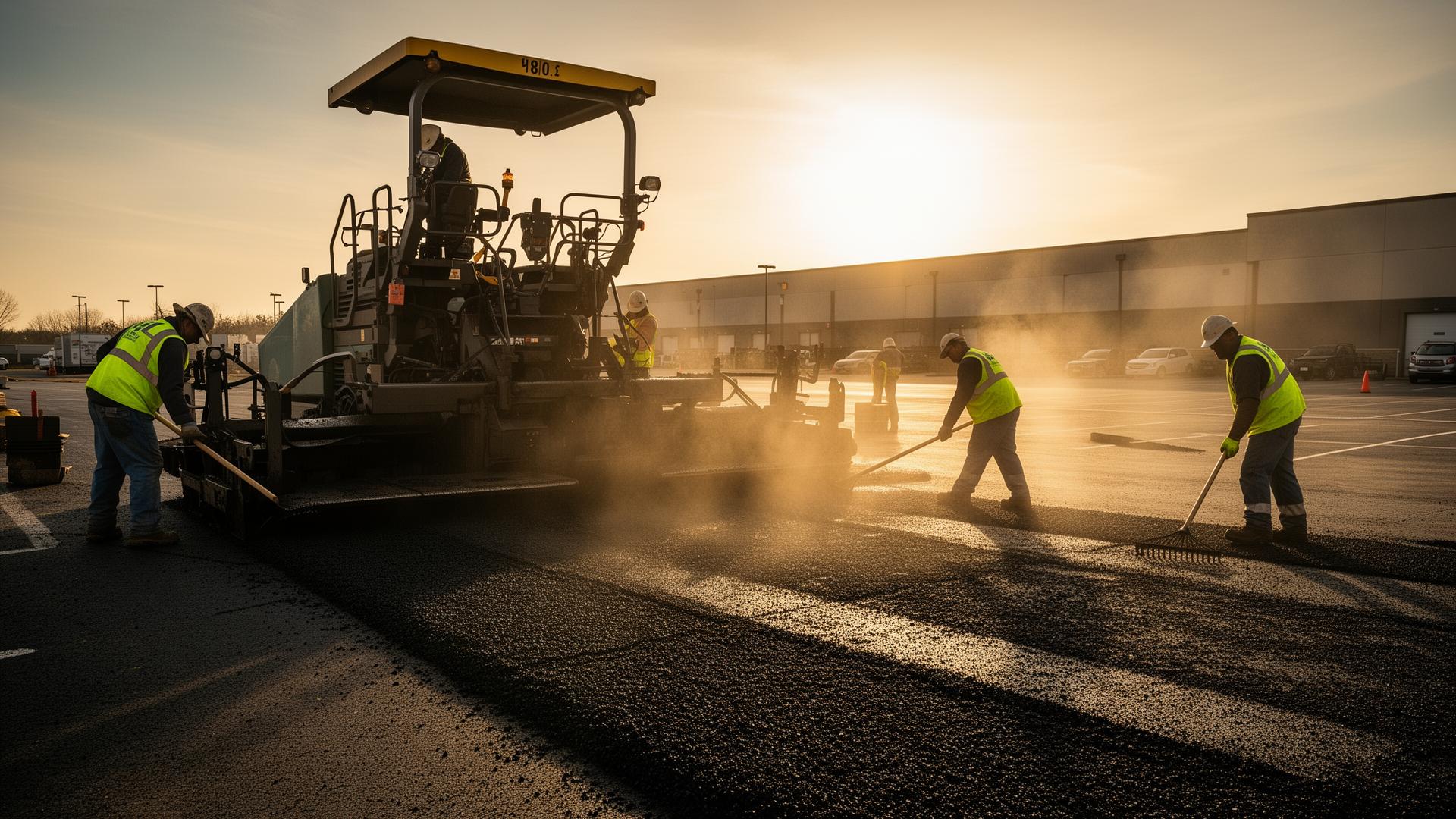
- Site Preparation & Earthworks: Large-scale land clearing, grading, excavation, trenching, and soil compaction using advanced heavy machinery.
- Concrete & Foundation Works: Pouring and curing of reinforced concrete (RC) foundations, retaining walls, slabs, and equipment pedestals utilizing sulfate-resistant mixes.
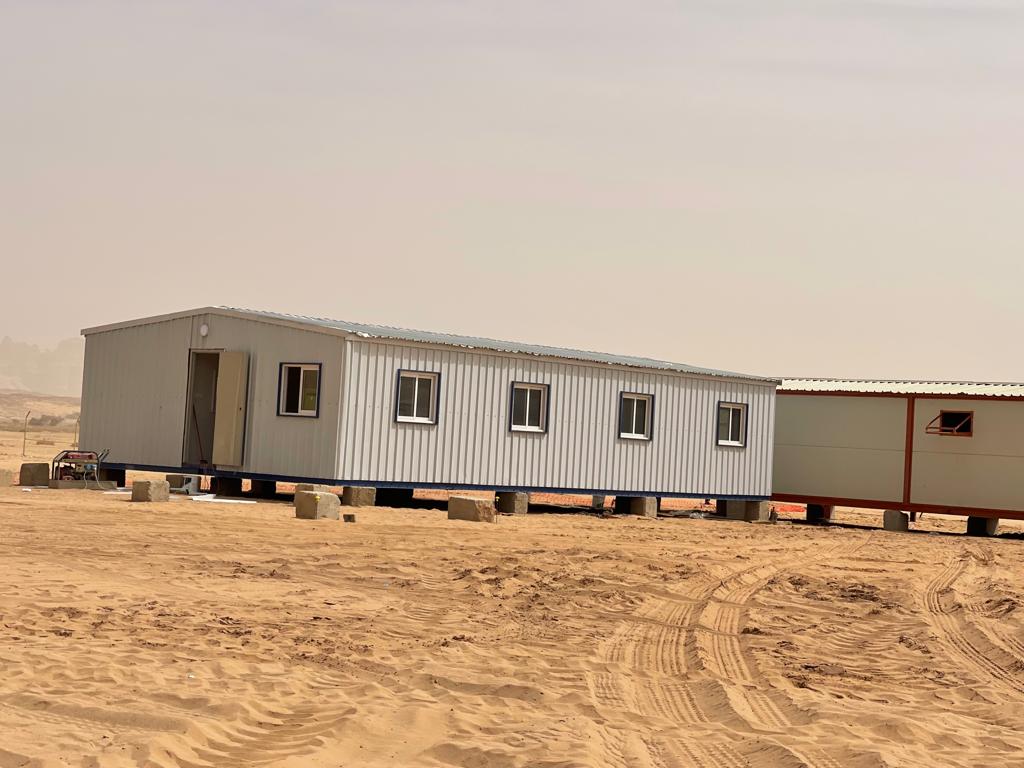
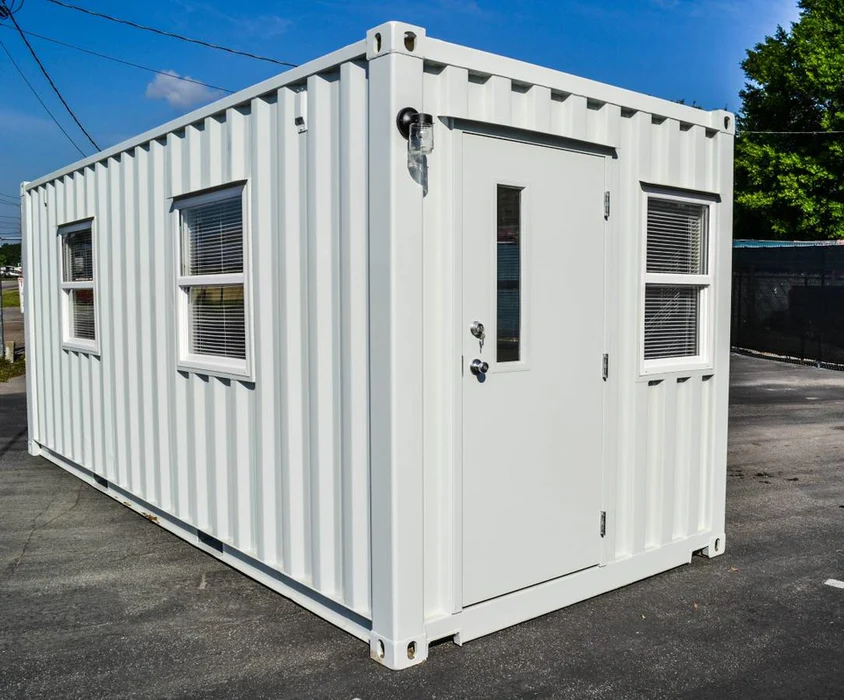
- Commercial & Industrial Building: Turnkey construction of warehouses, labor camps, office complexes, and industrial plant superstructures.
- Infrastructure & Utilities: Development of access roads, underground utility networks, drainage systems, and structural hardscaping.
Civil Construction in Riyadh, Jeddah & Dammam
Riyadh
Supporting the capital’s rapid expansion with high-grade commercial construction, infrastructure development, and deep foundation works for urban projects.
Jeddah
Specializing in marine-environment civil engineering, utilizing specialized concrete formulations to prevent chloride ingress and rebar corrosion near the coast.
Dammam & Jubail
Executing strictly compliant civil works for ARAMCO and SABIC, including heavy equipment foundations, blast-resistant structures, and industrial trenching.
Request a Site Survey & Project Bid
The ARMS Project Execution Methodology
Successful civil construction relies on rigorous project management and uncompromised quality control. We manage risk and ensure structural longevity through a disciplined execution model:
- Geotechnical Assessment: Comprehensive soil testing and surveying to determine exact bearing capacities before any excavation begins.
- Material Quality Control: Strict adherence to ASTM and SBC standards for rebar tensile strength, backfill granular grading, and concrete slump/compressive testing.
- Safety First Operations: Implementation of robust HSE (Health, Safety, and Environment) protocols, including shoring for deep trenches and strict lifting plans for heavy materials.
- Dedicated Project Management: Utilizing Primavera P6 and advanced scheduling tools to coordinate labor, machinery, and material deliveries to prevent costly delays.
Building the Future: Vision 2030 & Sustainable Construction
ARMS Arabia is proud to align our civil engineering practices with the sustainability goals of Saudi Vision 2030 and the advanced environmental frameworks of mega-projects like NEOM and the Red Sea Project:
- Sustainable Concrete Formulations: We incorporate supplementary cementitious materials (SCMs) like fly ash and slag to reduce the carbon footprint of our concrete pours while increasing long-term durability.
- Waste Reduction Protocols: Implementing precise digital quantity surveying (BIM) to minimize material over-ordering and maximizing the recycling of excavated soil for backfill operations.
- Water Management: Constructing efficient site drainage and stormwater management systems that protect the local water table and comply with stringent environmental impact guidelines.
Frequently Asked Questions About Civil Works
See More Projects
Painting Services
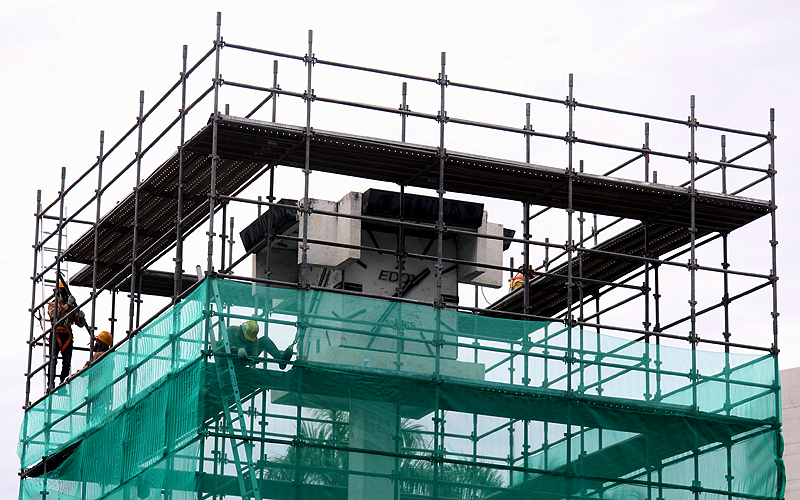
Scaffolding Works

Constrction & Civil Works

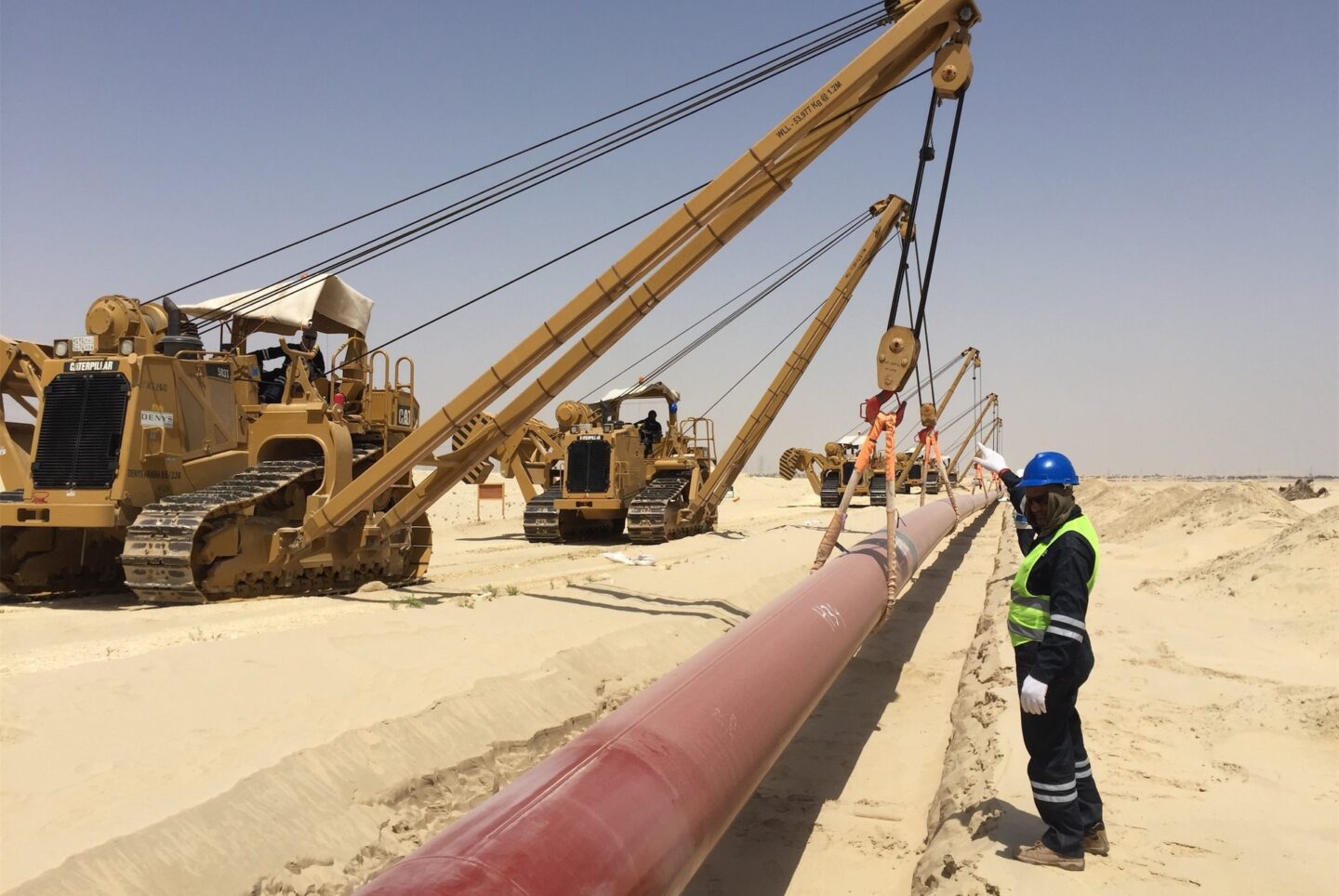
Manpower Supply Services
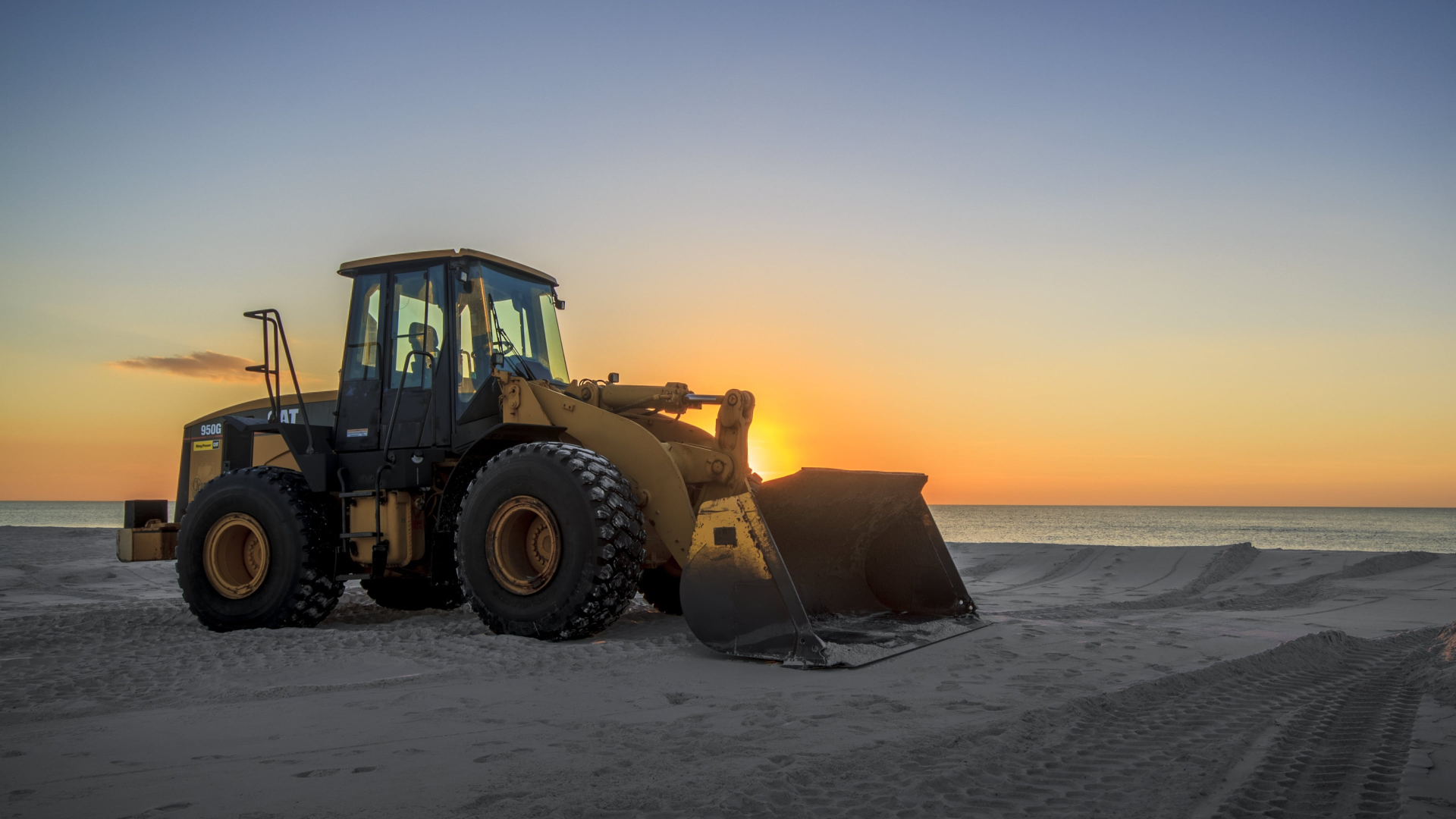
Equipment Rental Services
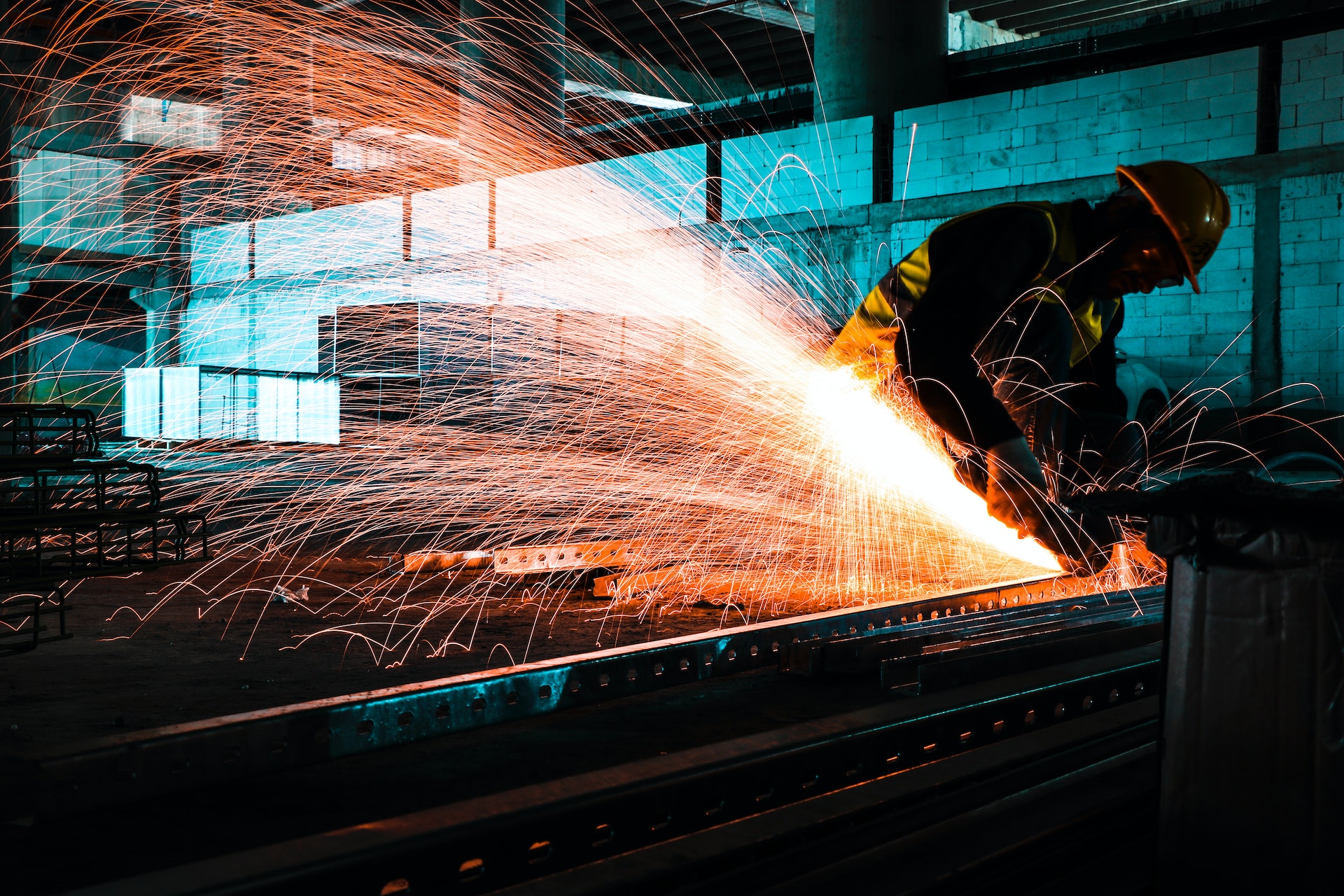
Iron & Aluminium Fabrication